When to Call an Electrician
Fall storms can bring strong winds, heavy rain, lightning, and unexpected power interruptions.
While some outages originate with the utility company, severe weather can also damage electrical equipment serving individual homes.
When that happens, homeowners may be left wondering whether they need to contact their utility provider, call an emergency electrician, or take additional safety precautions.
Understanding the difference can help protect your household and prevent dangerous situations.
At Jeremy Electrical, we want homeowners to recognize potential electrical hazards and know when professional assistance may be necessary.
How Fall Storms Can Affect Your Home’s Electrical System
Storm-related electrical problems can occur in several ways.
Strong winds may bring down branches or damage overhead electrical equipment. Lightning can cause electrical surges. Heavy rainfall or flooding may expose electrical components to moisture.
Some problems affect entire neighborhoods, while others are limited to one property.
Lightning and Electrical Surges
Lightning strikes and utility disturbances can produce voltage surges that may damage electrical equipment.
Sensitive electronics, appliances, and certain electrical components may be affected.
Whole-home surge protective devices can help reduce some surge-related risks, although no device can guarantee protection against every event.
Wind Damage and Fallen Trees
High winds and falling branches can damage overhead electrical service lines, service masts, and nearby utility equipment.
Never touch or approach a fallen electrical line.
Keep others away and report the hazard to the utility company or emergency services.
Heavy Rain and Flooding
Water and electricity are a dangerous combination.
Flooding can affect outlets, wiring, electrical panels, and equipment located in basements, garages, or other vulnerable areas.
Electrical components exposed to floodwater may require professional evaluation and replacement before they can be safely used again.
Unexpected Power Interruptions
Power loss may be caused by utility-system problems, damaged service equipment, tripped breakers, or faults within the home’s electrical system.
Identifying the cause is important before attempting to restore power.
When Should You Call an Emergency Electrician?
Some electrical problems require prompt professional attention.
The following warning signs should never be ignored.
1. Burning Smells, Smoke, or Sparks
Burning odors, visible sparks, or smoke near electrical equipment may indicate a serious hazard.
If there is smoke or fire, evacuate and call 911.
Do not attempt to investigate damaged energized equipment yourself.
2. A Damaged Electrical Panel
If a storm has caused visible damage, water exposure, or unusual sounds around your electrical panel, avoid touching the equipment.
Contact a qualified electrician for guidance.
3. Partial Power Loss or Unusual Electrical Behavior
If some areas of your home lose power while others remain energized, the problem may involve your home’s wiring, electrical service, or utility supply.
Unusually bright or dim lights can also indicate a potentially dangerous electrical condition.
Contact the utility provider and a qualified electrician as appropriate.
4. Water Near Electrical Outlets or Wiring
Do not enter standing water if electrical equipment may be energized.
If water has reached outlets, wiring, or electrical panels, keep clear until the area has been assessed and made safe by qualified personnel.
5. Damaged Electrical Service Equipment
Storms can damage the equipment that connects a home to the utility system.
Repairs may require coordination between the homeowner’s electrician and the utility provider.
Never attempt to repair damaged service lines or equipment yourself.
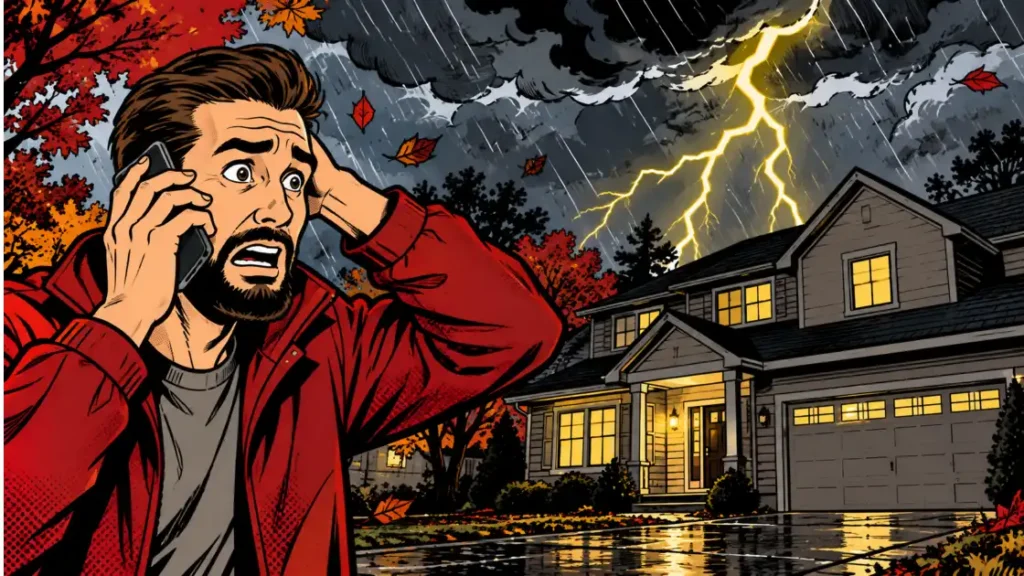
Power Outage or Electrical Emergency: Who Should You Call?
Not every power outage requires an electrician.
Understanding who is responsible for different parts of the electrical system can help homeowners take the right next step.
Call Your Utility Company When:
- Your neighborhood is experiencing a widespread outage.
- Utility-owned power lines or equipment appear damaged.
- A tree or branch has fallen onto an electrical line.
- You need to report an outage or dangerous utility condition.
If a line is down or a utility hazard creates immediate danger, stay away and contact emergency services.
Call a Qualified Electrician When:
- Your home’s electrical panel or wiring appears damaged.
- An outlet, switch, or circuit shows signs of overheating.
- Your home has an electrical problem that isn’t explained by a neighborhood outage.
- Storm damage has affected customer-owned electrical equipment.
- You need an evaluation before restoring power to water-damaged electrical components.
Call 911 When:
- You see an electrical fire or smoke.
- A fallen power line presents immediate danger.
- Someone has suffered an electric shock or serious injury.
- Another immediate life-safety emergency is occurring.
What Should Homeowners Do After a Storm-Related Electrical Problem?
When severe weather causes an electrical issue, safety should come before troubleshooting.
Step 1: Keep Away From Damaged Equipment
Avoid touching damaged wires, wet electrical components, or equipment that appears to be sparking or overheating.
Step 2: Determine Whether the Outage Is Widespread
If it’s safe to do so, check your utility company’s outage information.
This may help you determine whether the issue affects the neighborhood or appears isolated to your home.
Step 3: Avoid Repeatedly Resetting Breakers
If a breaker repeatedly trips, don’t continue resetting it.
Repeated tripping may indicate an overload, short circuit, ground fault, or another issue requiring diagnosis.
Step 4: Document Visible Storm Damage From a Safe Location
Photos of visible damage may help with repair planning and insurance documentation.
Never approach dangerous electrical equipment to obtain photographs.
Step 5: Contact the Appropriate Professional
Depending on the situation, you may need your utility company, a qualified electrician, or emergency services.
A professional can help determine what needs to be repaired and whether the affected equipment is safe to use.
Common Electrical Repairs After Severe Weather
Storm-related electrical work varies depending on the type and extent of damage.
Possible repairs may include:
- Replacing damaged outlets and switches.
- Repairing or replacing affected wiring.
- Evaluating damaged electrical panels.
- Repairing customer-owned electrical service equipment.
- Replacing electrical components damaged by water.
- Diagnosing circuit faults or unusual power behavior.
- Evaluating surge-related equipment damage.
Some repairs may also require permits, inspections, or coordination with the utility company.
A qualified electrician can explain the appropriate process after evaluating the situation.
How to Prepare Your Home’s Electrical System for Fall Storms
While storms can’t be prevented, homeowners can take steps to improve their preparedness.
Consider Surge Protection
Ask a qualified electrician whether a whole-home surge protective device would be appropriate for your electrical system.
Know Where Your Electrical Panel Is Located
Homeowners should know the location of their main electrical panel and how to recognize a potential emergency.
Do not operate damaged or wet electrical equipment.
Use Generators Safely
Portable generators must be operated outdoors, away from doors, windows, and vents, following manufacturer instructions.
Never connect a generator directly to home wiring through an outlet.
A properly installed transfer switch or other approved equipment is necessary for connecting a generator to a home’s electrical system.
Address Existing Electrical Problems Before Severe Weather
Flickering lights, frequently tripping breakers, and damaged outlets should be evaluated rather than ignored.
Keep Emergency Contact Information Accessible
Save your utility provider’s outage reporting information and the contact details for a qualified local electrician.
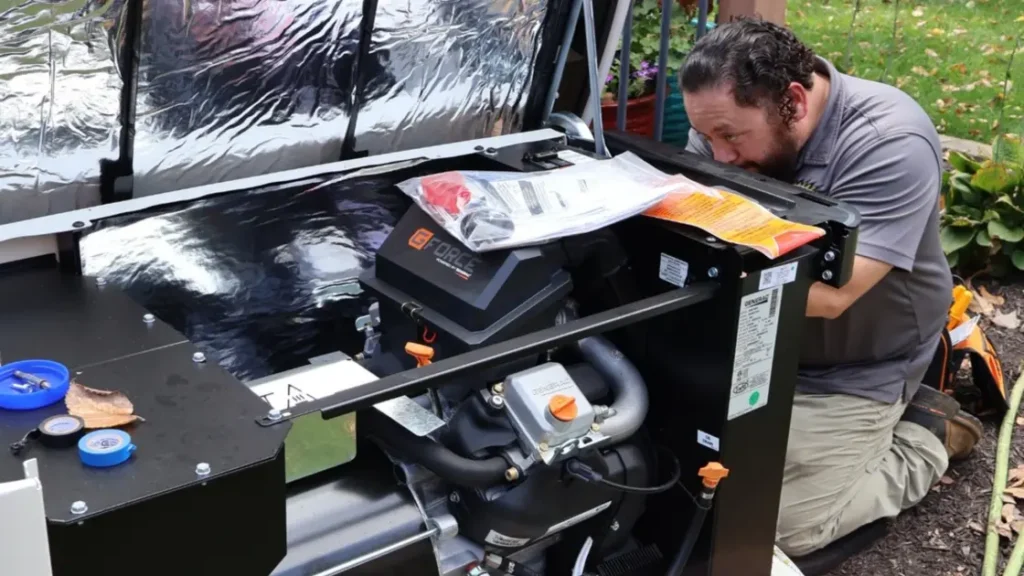
Why Choosing a Local Electrician Matters After a Storm
When electrical problems affect your home, finding a qualified professional who understands residential electrical systems is important.
Homeowners often search for an “electrician near me” because they want a professional who serves their area and can help them understand the next steps.
When choosing an electrician, consider:
- Appropriate licensing and qualifications.
- Experience with residential electrical troubleshooting.
- Clear communication about the problem.
- An explanation of recommended repairs.
- Service-area coverage and scheduling availability.
At Jeremy Electrical, we encourage homeowners to address electrical concerns promptly and make safety a priority.
Frequently Asked Questions About Emergency Electrical Repairs
1. When should I call an emergency electrician after a storm?
Contact a qualified electrician promptly if storm damage has affected your home’s electrical panel, wiring, outlets, or other electrical equipment. Smoke, fire, fallen power lines, and immediate life-safety hazards require emergency services or utility response rather than routine electrical service scheduling.
2. Can lightning damage my home’s electrical system?
Yes. Lightning and associated electrical surges can damage appliances, electronics, and electrical components. If you suspect storm-related electrical damage, avoid using affected equipment until it has been evaluated.
3. Should I reset my breaker after a storm?
If a breaker has tripped, the safest next step depends on the circumstances. Do not operate a breaker if the panel is wet, damaged, or showing signs of overheating. If a breaker repeatedly trips, leave it off and contact a qualified electrician.
4. Who repairs electrical damage after a storm—the utility company or an electrician?
The utility company generally handles its own lines and equipment, while customer-owned wiring and service equipment may require a licensed electrician. Responsibility varies by utility and local requirements, so confirm which party is responsible before arranging repairs.
5. How do I find an emergency electrician near me?
Look for a qualified local electrical contractor that serves your area, confirm its emergency availability, and ask about the types of repairs it handles. If you have a life-threatening electrical emergency, call 911 rather than waiting for a contractor.
Need Electrical Repairs After a Fall Storm? Contact Jeremy Electrical.
Storm damage can create unexpected electrical problems, and knowing who to call is an important part of protecting your home.
Whether you’ve experienced a power-related issue, noticed damaged electrical equipment, or need professional troubleshooting after severe weather, Jeremy Electrical can help you discuss your repair needs.
Don’t ignore signs of electrical damage.
Contact Jeremy Electrical to ask about storm-related electrical inspections and repairs.
Call: (913) 375-0070 in Kansas or (816) 535-7759 in Missouri
Learn more visit our site. www.jeremyelectrical.com or Request service.
Serving homeowners in all Kansas City Metro surround areas.